Featured

A fragrant, pleasing offering

I have seen the cloud of incense, representing our prayers, burn and move in interesting ways around the altar in our church. During the incensation, after exposing the Blessed Sacrament, the incense rises to the great high ceilings, lifting our prayers. Impacted by heat or air conditioning, air coming into the sanctuary from opening doors, etc. it can often create a cloud around the altar and monstrance.

The other night, during Adoration, the incense took on a life of its own, and a symbolism, that was quite moving for me.

The cloud hovered around the altar and the monstrance, creating a thin veil, inviting me to see beyond the physical to the reality of what was present before me. It sanctified the space for the Divine Presence with us. It slowly moved to the ambo, the pulpit, where the Word of God is proclaimed, as if to say, as the apostles heard in today’s Gospel, Listen to him. Then, it turned and drifted to sanctify our presence there. The cloud drifted out toward the pews, at the perfect height of those of us present and kneeling in this sacred space. It moved slowly from the altar, over each of us, as it moved towards the back of the church.

The Jewish Tabernacle, or Mishkan (dwelling place), initially portable, moved to more permanent structures with the building of Jewish synagogues. The scrolls are now housed in the Ark, the Aron Kodesh, while the building itself can be viewed as the Mishkan. In Exodus, the Jewish people were instructed to build an altar of acacia wood in the Mishkan which would create a pleasing altar for the burning of incense. Everything in the Tabernacle, each piece of furniture and the way it was constructed, represented intimacy with God. The altar of incense then represented the prayers of the people rising, in intimacy with and love of God.

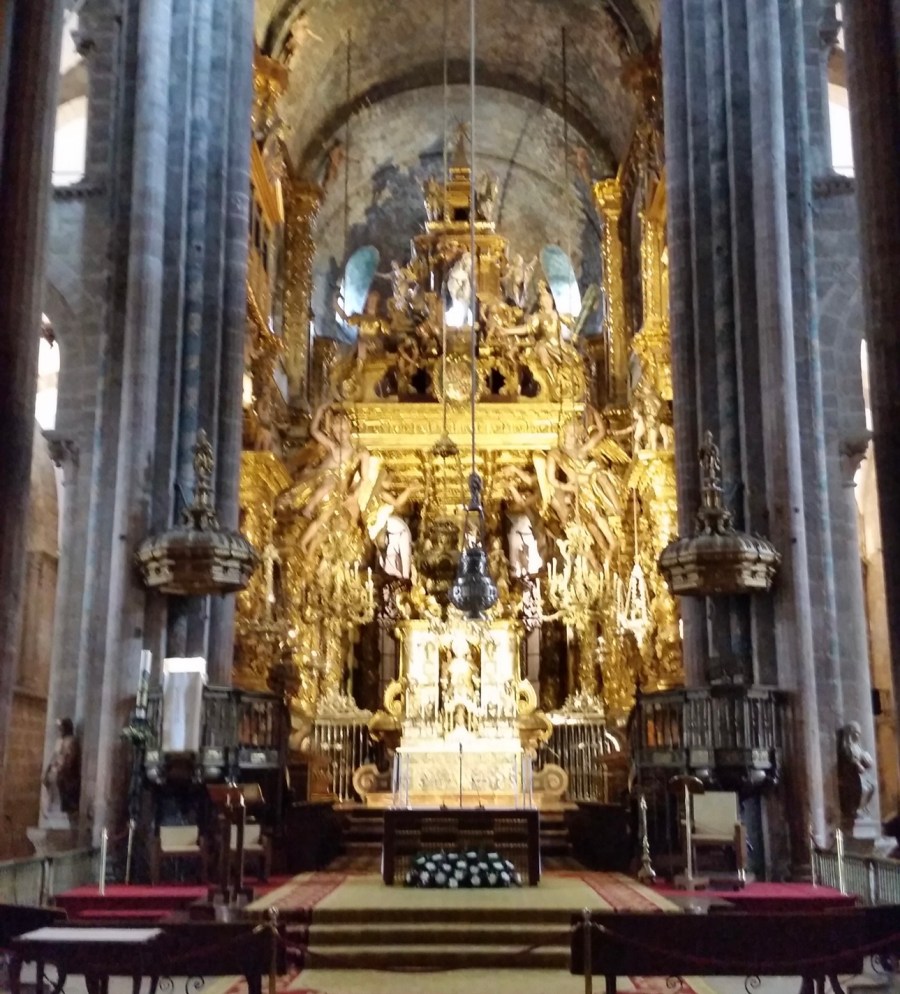
The large thurible, or Botafumeiro, at the Cathedral in Santiago de Compostela was not swung during my visit to Spain but I have seen videos of it during special liturgical feasts. It is swung to purify the air, participants and symbolize the prayers of the people rising to God. If pilgrims happen to arrive to the Cathedral on these special holy days, after walking the Camino, I envision the incense sanctifying their journeys, lifting and receiving all the intimate and personal prayers said during their pilgrimage.

In the book of Revelation we also hear of bowls of incense. The angel was “given much incense to offer with the prayers of all the saints on the golden altar before the throne and the smoke of the incense, with the prayers of the saints, rose before God from the hand of the angel.” It’s a beautiful image to consider the continual burning of incense, representing the prayers of the communion of the saints, small “s”, each person in the eternal presence of God.

As I reflected on the background of incense, and the scriptural references of our prayers like incense, I thought about our Lenten prayers and practices as fragrant and pleasing offerings to God. I pray to become a more pleasing “Mishkan”, a dwelling place, and enter into greater intimacy and union with God.

I pray that your journeys continue to be fruitful and meaningful as we begin this Second Week of Lent. Deena

Image: A picture I took of the great Botafumeiro in the Cathedral in Santiago de Compostela, Spain, visited during my pilgrimage.
Featured

Led into the desert

In life we are led to places we don’t want to go. I have struggled with a thousand questions this week, none of them with life-giving answers that help me in my grief. The desert provides a vast and stark landscape, with few distractions, so we have room for answers to emerge. I am learning that the answers will have to emerge, in their own time, they do not break through as a result of my willing it. Perhaps that is why we are given the symbolic period of 40 days in our own Lenten journeys to mirror the days that Jesus was led into the desert to pray, fast and be tempted. We need time to “rediscover what our hearts truly desire when the distractions fall away” as so beautifully stated in the opening of the Laudato Si’ reflection for the First Sunday of Lent.

What I desired for Lent was to enter a desert time to be free of the distractions that were filling my time with things other than prayer and reflection. Now the distraction of all my questions is consuming my time, impacting the desire for prayer and reflection, even more than going out for coffee would have done.

Given the temptation of changing this situation, just like a rock into a loaf of bread, I would probably say “yes”, change it. I would not be strong enough to resist the temptation. I want Lent to be different than it is.

If you are finding you have a similar mindset as you look at the distractions in your own life – wishing to change circumstances to be a person more centered in prayer and meditation, to be a person of peace and lovingkindness and more compassionate towards others, to want to give more of your time to those in need – you are not alone. I hope for each of us that the desire for these good works is in itself a grace. As also stated in the reflection by Laudato Si’, the distorted desire for the things (my add – of the world, more fleeting in nature) that are pleasing becomes a distraction, they fragment us, not free us.

This weekend in my journaling and reflection I read something written by Rainer Maria Rilke that I am trying to sit with. He invites us to “have patience with everything unresolved” in our hearts and to love the questions. “Don’t search for the answers, which could not be given now, because you would not be able to live them. The point is, to live everything.” I must have hope in that, to live with the questions so that the answers slowly emerge as part of living into them. Just as I have hoped by writing my “peaceful day” statement every day for months is a slow drip of water smoothing the jagged edges of my heart, I have hope in this guidance by Rilke.

Let each day be what it is. Lean into the questions. Hold hope that they are all part of a larger transformation taking place.

Wishing you a week of peace and hope, Deena

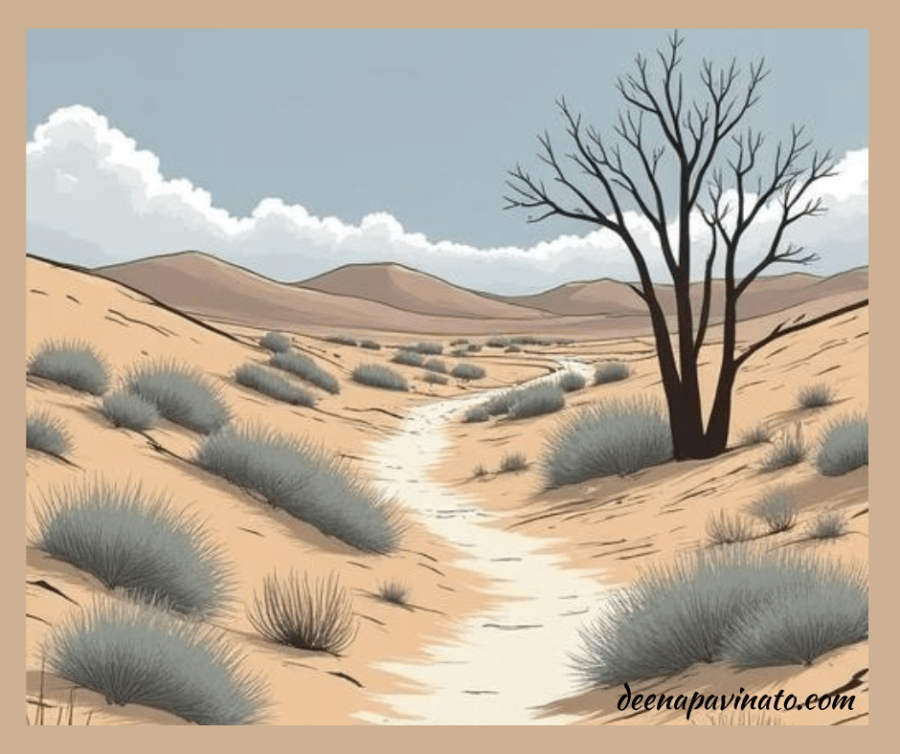
Image created in Canva

Featured

A pause, with love

I was preparing my post, focused on Lent today, and the day has required a different focus. My oldest cat, Bela, is not well today. It seems it may be getting closer to his transition. So my attention is on him and not writing. I am quiet and attentive, as I hope I will be this Lent. Since Lent begins Weds., with Ash Wednesday, I will finish my post and publish at that time.

I am so grateful to Kate Brown (Kate Brown Healing Essentials), taking time during her Sunday rest, for her Healing Touch for Animals work on him today. He is more relaxed and attempting to rest in the sunshine.

I wish you peace and love on this lovely Sunday. I hope it’s as beautiful where you are as it is in Illinois today.

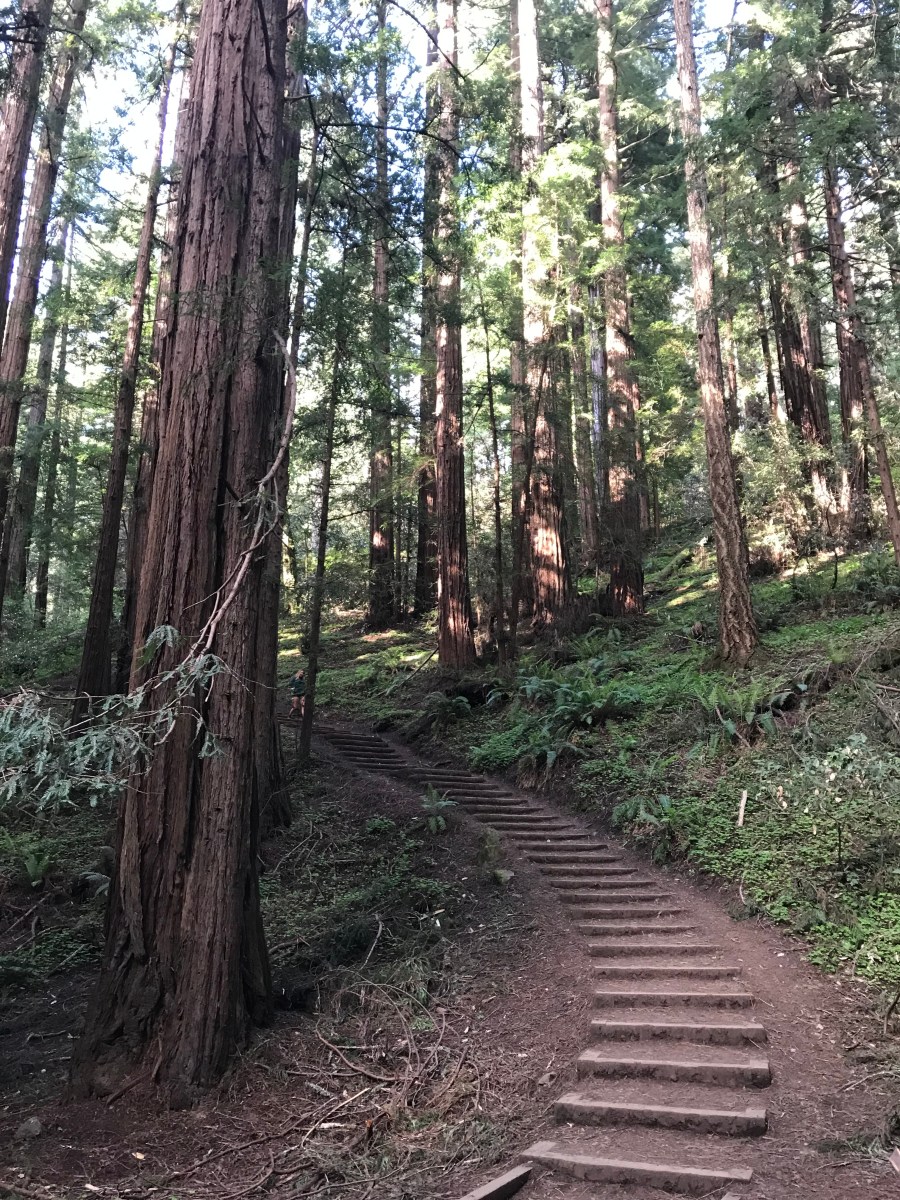
Photo taken during a visit to Muir Woods in California

Featured

A whispering threshold

I visited the cemetery before Vigil Mass for All Souls Day yesterday (Saturday) afternoon to put small votive candles (as seen in today’s blog photo, I gave up on trying to keep real candles lit in the wind) on our family tombstones, a tradition on the evening of All Saints Day to light the path for souls and a symbol of love and remembrance. A few years ago there used to be groups praying as they visited each gravesite and many more candles. I only see a few now.

I love the tradition of Dia de los Muertos, Day of the Dead, altars with the many marigolds, pictures, food items and symbols decorating the ofrendas, altars, set up between October 27th and taken down shortly after All Souls Day. You can find many beautiful and elaborate pictures online if it is not celebrated in your area. At my parish, we have a lovely tradition of remembering our beloved dead with candles, many of us provide pictures to be placed by the candles, which will burn all month surrounding the altar. I love to reflect on the candles as all the souls that worship at the altar each Mass with us, Saints and saints, that join in our praise. I will add a photo of the candles this year, below, to the online version of this blog post.

There have been times during the year, or after the passing of someone dear, that I have experienced the thin veil between heaven and earth, the mist of time, more easily. Perhaps that is why I relish these days of All Hallows Eve, All Saints and All Souls so much. We can pause and reflect that it is literally a breath that binds us in our bodies and a more tangible realm. We take so many breaths each day for granted. If you have been with someone as they have breathed their last breath, you know how fragile and temporary life is.

This week, during my Wednesday Adoration time, Fr. Carlson played an organ piece, from the many he has downloaded and saved, that I hadn’t heard before. It was lovely, then dissonant like someone that might have hit the wrong note but it continued. It was jarring and unpleasant at times but then also hauntingly beautiful. I asked him about it afterwards but missed the name except that it was a Babylon meditation (if I get the full title this week, I will footnote it below). We reflected that it seemed a fitting reflection on the exile of Jews from Jerusalem to Babylonia. I later reflected on this symbolically for life. We are exiled, temporarily, from our true home, in Heaven. Life is full of those discordant moments, unsettling and disagreeable, in the middle of beautiful, soothing and joyful times. The next night I had a dream, full of symbolism about my life’s journey. I paused in the morning, journaled about it, not wanting to forget the details that I can reflect on and how they might be inspiration for areas of my life that need transformation. I viewed it as a thin, whispering insight between my conscious and subconscious being.

One of my favorite books, it is likely that I have written about it in the past, is Braving the Thin Places by Julianne Stanz. Early in the book she asks us to pause and take a deep breath, reminding us that “Our spirit did not generate itself; neither did we create it. It comes from a Divine Being who has breathed life into you and me, into all of us.” Stanz writes about her Irish heritage, Celtic wisdom and the beauty and symbolism of the “thin spaces and places” in Ireland. “Out of sight…does not mean out of soul.” The souls of those we love walk with us each day and remain close to us.

The Church asks us to pray for all those who have died, especially those who have no one to pray for them, this month of November. A lovely practice is to visit a cemetery and just pray the “Eternal rest grant unto them, O Lord…” Often as I am driving between the tombstones of my grandparents and my parents I recite that prayer over all the tombstones at the cemetery. In the older section there may no longer be family members to pray for them. Whether you are close to the burial places of your loved ones or not, or others you have known in life, take some time during this month of November to remember them and pray in a special way for their souls. They have gone before us with the sign of faith, and have fallen asleep in the hope of the resurrection (Eucharistic Prayer in the Roman Canon). We shall join them some day.

“…do not let our brothers and sisters be parted from you, but by your glorious power give them light, joy and peace in heaven where you live and reign forever…Eternal rest grant unto them, O Lord, and let perpetual light shine upon them. May they rest in peace. Amen” (Give Us This Day post for All Souls Day)

Wishing you abundant hope and peace, in the company of all the Saints, this month. Deena

Candles for our beloved dead at Holy Family Parish, Oglesby.