Featured

Go by another way

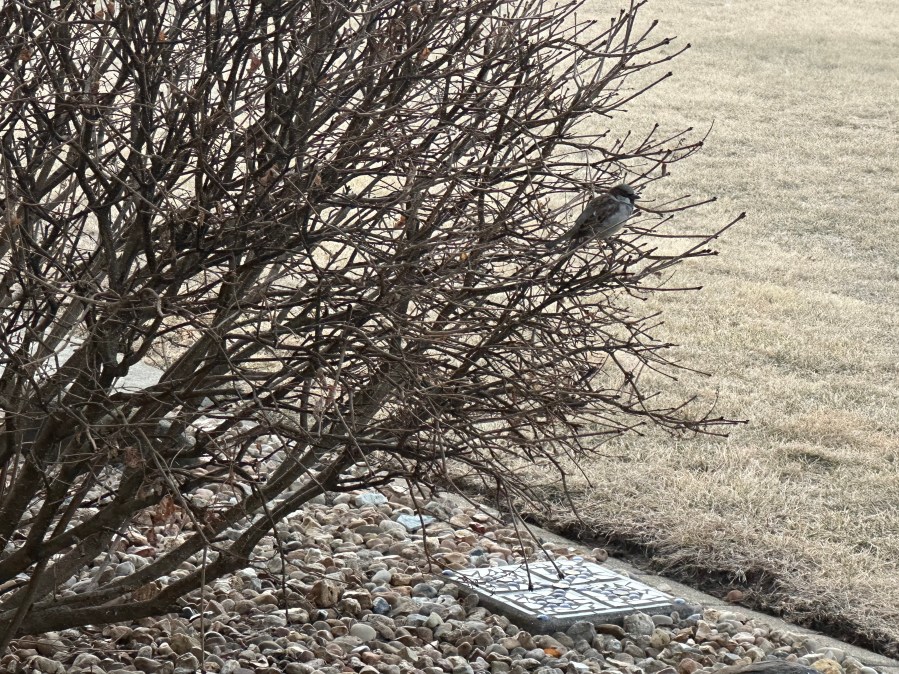
I sat down this morning to do social media work I have been hired to do, before starting this blog, and I heard a bird calling. It wasn’t the typical wrens or sparrows of the morning. It was clearly not cardinals or blue jays I hear in adjacent neighborhood trees. It’s too early for robins. It was distinct, different. I immediately got up to find it, in the front yard, or in my backyard tree. I couldn’t find it but I kept looking as it kept calling out. It stopped me from doing anything else, I couldn’t resist the invitation.

I wonder, as I reflect on the wise men in today’s Epiphany story, if these magi had the same urgency to respond to the unique star they were seeing, seeking the important event it was foretelling. It’s easy to ignore those inner promptings, whether as simple as the little bird I heard, or as illuminating as a distant star. We pass them off as impractical ideas or a passing flights of fancy.

Sometimes the way will find you, even if you go another way.

This Fall I listened to a talk, either by Fr. Bonafice Hicks or Sr. Miriam Heidland (my journal notes weren’t clear as I looked back), and a reference to a new book by Bishop Eric Varden on Chastity and how chastity, and Bishop Varden’s description of chastity, speak of a reconciliation of senses and a love of beauty. I had listened to Bishop Varden online in the past, and enjoy his teaching, so I ordered it immediately. Once it arrived, and I attempted reading, I quickly realized I was in over my head. I set it aside. I picked it up again at a later date and came to the same conclusion, I was not going to get the point so easily captured by the review I listened to.

During a recent homily, my pastor spoke of Bishop Varden, so Friday I dropped off the book, thinking he might enjoy reading it and would certainly be a better student of the concepts than I was. I consider myself fairly adept at spiritual literature and theological teaching. Not an intellectual, but also not completely amateur to spiritual reading. After all, St. Teresa of Avila, St. Catherine of Siena, St. John of the Cross aren’t kindergarten reading and I enjoy spending time with their writings. I handed over the book as well as any hope of being able to understand it.

Friday night I was listening to a daily session of Minute Monk on the Hallow app, led by John Cannon, founder of Monk Mindset (a website but also a paid app released in 2025). The reflection was given by Fr. John on the Feast of Saints Basil and Gregory. He began talking about the Tools of Good Works in the Rule of St. Benedict and the love of chastity. He described chastity, not as an absence of sin, but as a good desire, a virtue, a mark of a human being fully alive. He then referenced Bishop Varden’s book on Chastity. I literally laughed out loud given that I handed over the book earlier in the day.

Ok, God I am listening, I exclaimed. Where are you leading me?

The summary was an excellent one, much like the one that led me to order the book in the Fall. Fr. John continued to describe chastity not as a list of do’s and don’ts but as an re-establishment of wholeness. It restores our senses to see and truly love, is a marker of integrity and allows us to see the world in truth, to have a contemplative spirit. It leads us to be more clearly attuned to our ultimate purpose of loving God and others.

For clarification for those who might be confused about chastity versus celibacy (a vow or state of being to remain unmarried and chaste), chastity is a broader virtue of having fidelity, sexually, to one’s state in life, whether being married or unmarried.

The instance wasn’t for me a reminder of living a chaste life, but instead was a reminder of living a contemplative life, focused on love and compassion for others (Compassion is my chosen “word” for 2026). It was a reminder that being free of other responsibilities, I have desired a life dedicated to prayer, contemplation and monastic virtues. But lately I have questioned how I have been living that commitment. How deep is my love of others when I react harshly, with judgment, to those I encounter? Am I seeing Christ in the other?

This morning, the USCCB social media pages, released a reflection on the Feast of the Epiphany by the Most Rev. Ronald Hicks, Archbishop-designate of New York and Bishop of Joliet. Even though he is Bishop in the nearby Diocese of Joliet, I have learned more about him recently as he has been introduced to the people of New York. He talked about how his experience of living in Central America transformed him, his experience of the people and the culture, changed him. He said that when he encounter Jesus and his word, in scripture, and the sacraments, when we care for others, we go home by another way. We are changed and we are challenged to carry that Light, that we have experienced, out to others.

Let it be so.

Wishing you a week of abundant hope and joy, Deena

Image: a photo of a sunset, a moment of beauty.

Featured

How you start your day

Are your morning routines defined and predictable? Do you have things you do each morning that help you get ready for the day ahead? I have been reading lately that how you start your day, sets your day. I have a pretty reliable and set routine each morning but lately I have been questioning the effectiveness of each morning and also why I am not getting some of the reflection time in that I used to. I miss it and want to find a way to incorporate that quiet morning time back in my schedule.

I listened to Dr. Arthur Brooks, “the Happiness professor, best-selling author and Harvard professor, on YouTube a couple of weeks ago. He described his 6-step protocol each morning that he suggests will create a better day. He begins by getting up at 4:30 a.m. (Dr. Brooks cited a study that showed higher levels of productivity and creativity in those who began their day before dawn), after starting with an early bedtime the night before, exercising first thing (he has a gym in his home or when traveling only selects hotels with 24 hour gyms on premise), having time each morning to spend in spiritual reflection (he goes to daily Mass), delaying his morning coffee (saying that it improves focus and energy throughout the day) and has a high protein breakfast. Then he gets on with his day and makes sure his time is productive time by ignoring emails, the newspaper and social media until later, or checking hourly.

I enjoy listening to Dr. Brooks and his thoughts on happiness, reducing stress and anxiety, and spirituality. But I listened to these six points and felt like such an under-achiever! But to his credit, toward the end of the video, he said try it and adapt it to yourself, even inviting viewer response on how we might have changed it for our lifestyle.

Another routine I read was similar; plan the night before, get enough sleep, limit phone and technology use before bed, practice gratitude, hydrate in the morning, eat a healthy breakfast, move your body or exercise, and practice mindfulness or journaling.

Last week, in an online class, we talked about morning routines and setting daily intentions. Our discussion was about finding a routine that works for us and being aware, or conscious, as we completed all the tasks each morning that feel like an obligation or perhaps even prevent us from doing these things I have listed above. The main point was changing our attitude about those duties that feel as though they are hinder us from doing things we would prefer to do, in my case, my quiet reflection and journaling time.

I tend to get up at 4 or 4:30, feed the cats but don’t always stay up and begin the day at that time. That might be a good place to start, but that also means I have to do a better job of getting to bed early so that I am ready to stay awake at 4:30 a.m. I love watching the sunrise, so I am usually up by then, especially recently as the mornings are darker longer (well, at least until next week). Before daily Mass I do the social media posts for my parish, then get ready for Mass. When I get home the cats usually want more attention, or food if they ate at 4 a.m., and I want my coffee! I do a terrible time with a healthy protein-rich breakfast. At one point I thought about a protein smoothie first thing, but read one natural health practitioner say not to have anything cold first thing in the morning. I hate eggs and don’t eat meat, or very little, so that rules out lots of morning breakfast options. Maybe the better choice is still selecting the smoothie, even though it’s cold, because I would begin the day with protein and fruit.

I have been, over the past few months, working as a social media assistant for two different entrepreneurs, one an independent training and holistic practitioner and the other a retail establishment. I have noticed I get drawn into social media more than I did in prior months by checking out posts and techniques used, which then leads down a rabbit hole of viewing other posts and updates. I would like to discipline myself enough to come home from Mass, make the smoothie (or find a better alternative), make my coffee and sit down to journal before I begin my online work activities. A half hour or so isn’t going to make or break the day for daily sales at the store or online enrollments! Based on Dr. Brooks video, it might make me even more productive and focused.

If you are a pet parent, you also know that you have to be flexible for changes in routine. The cats love the patio as soon as I get home and I am happy to open the doors and windows to get fresh air in the house. The holistic practitioner I mentioned above, regarding the cold breakfast, suggested getting 10 minutes of sunshine early in the day, so it would be nice to step outside with the cats for a bit. That would add 10 more minutes to a routine before beginning work. But seriously, 10 minutes isn’t going to prevent me from getting things done and might even help, by standing outside, taking some deep breaths and reflecting on the day ahead before I sit down to journal.

The gym usually gets delayed until afternoon, if I get there, because I prefer to go when fewer people are there and I can’t imagine adding one more thing to the morning before doing my online work. But that works for me and I guess that is the point of this discussion. My recommendation is take in all the ideas and suggestions about creating a great day and then do what works for you. By all means be flexible and spontaneous too. This Sunday morning I was asked to “play the organ” (i.e., hit the buttons at the right time) on our amazing organ at church, that Fr. Carlson programmed with the music for Mass. I wasn’t in the mood to begin this blog on Saturday evening, my normal writing time is early Sunday morning, but I also wanted to help and relished the idea of attending Mass again this morning after attending Vigil Mass on Saturday. So I am posting it later than normal today. The world isn’t falling apart as a result. Often, on Wednesday mornings after Mass, the ladies invite me to join them for breakfast or a friend might reach out and suggest meeting for coffee. Being social and spending time with people I enjoy is also important to me and my well-being, even if it means other morning activities are delayed a bit. I think the most important thing is that we feel that we are choosing versus reacting to the activities in our day, having a positive attitude and making the most of the time we have been given.

I’d love to hear your thoughts on starting the day in a way that sets you up for a happier, more joyful, day. What routine has been most impactful for you? Do any of these ideas sound like ones you would like to incorporate?

As always, I wish you a week abundant in hope and peace, Deena

Blog image: Bela deciding that he needed to be a part of my morning routine a few years ago.

Featured

Ora et labora

I have been blessed to work a variety of interesting jobs in my life. I have learned new things in each, which were always helpful for the next adventure in my career. I rarely until more recently in life, viewed the work I did as holy.

The Rule of St. Benedict advises the monks of the abbey (or Oblates like me who choose to follow The Rule in life) that “Idleness is the enemy of the soul. Therefore, the monastics should have specified periods for manual labor as well as for prayerful reading.” (Chapter 48 of the RB) During the time of St. Benedict the monastery did not have slaves to do the work of the monastery as was true during this time in history. Work was part of the basic life of the monastery. Benedict believed that the monastics should not benefit or taken advantage of the labor of others or to be a burden on others. It was a privilege to contribute to the life of the monastery, it was purposeful and valuable to the lives of those living there.

We often hear Ora et Labora, pray and work, as I used in my title for today’s blog, associated with The Rule of St. Benedict. While not actually words written in The Rule, it is a motto that represents the orderliness of prayer and work that St. Benedict believed led to a balanced spiritual life. I also like Esther de Waal’s statement in her book, A Life-Giving Way, that “ora, labora, lege (prayer, work, read) would be preferable” to describe life in the monastery. Monks had assigned tasks, non too burdensome for the person doing the work, their designated times of community prayer during the day, but also the times of prayerful reading (lectio divina) and study so that the mind and heart were engaged in growing too.

For St. Benedict, all work done by monastics was valuable. It was a necessary part of life in the monastery but it was also a way of serving others and serving Christ. In the book, A Little Rule for Beginners, Sr. Joan Chittister reflects on the “American Mind”, suggesting that God “leaves the co-creation of the world to us” and says “Our work is not a “job,” it is a contribution to the good of humankind and each of us must find our own.”

On this Labor Day weekend, let us reflect on the work we do, whether paid, volunteer or within our households, as part of the ongoing work of creation. What are we contributing to the world and to those around us? Are we glorifying being busy? Do we have a balanced approach to the time we spend working and the time we spend in prayer and reflection? Perhaps we can take this day of rest from our labors and reflect on how we view our work, or even ourselves in relation to our work.

Wishing you abundant peace and hope. Deena

Image: A photo of St. Benedict from one of my monastery visits in Arkansas (can’t recall which one) with the words Opus Labor (work, labor) on his Rule.