Featured

Go deeper

At one point this past week I had the thought, a typical one for me toward the end of Lent, I would like to start Lent over, or I could have done more. But, here we are at Palm Sunday and the beginning of Holy Week. It’s the most solemn and holy week of the liturgical year and gives us the opportunity to enter more deeply into the mysteries of our faith.

Whatever we did, or didn’t do as well as we would have liked, our Lenten practices of increased prayer and devotion, fasting and sharing our resources with those in need, aren’t something that have to stop after Easter next weekend. I might not choose to be as rigorous with fasting and some of the extra devotions, like Stations of the Cross, that may no longer be offered in our parishes, but there are opportunities to continue to let these daily practices open my heart to God and consider the attachments in my life that are a hinderance in my relationship with God.

The Lenten practices that we chose have the intention of clearing away the noise and distraction, in hopes of opening my heart more fully to God. It isn’t a race to simply cross a finish line and congratulate ourselves at the end for a job well done. If I was able to create a space to enter more deeply into relationship with God, why would I close the door now?

Over the past few weeks we have listened carefully to ways in both the Old and New Testaments that people heard and responded to the word of God. To really hear it, versus just listen to it, we internalize it and let it begin to shape who we are and how we show up each day in our encounters with others and in the choices we make in life.

This week gives us further opportunity to reflect on Jesus’ message and the immense sacrifice given in complete love for us. No matter how Lent went for us, we can allow this week to be one of a little more silence and reflection. Attend your parish or church services recalling the Lord’s Supper, Passion and Death on the Cross, and then after sitting in the silence of Holy Saturday, wait to celebrate the joy of Easter Resurrection. Slow down, enter into the holiness of this week. Listen to the scripture readings and reflect on the gifts you have in life and how God has showered love on you and those you love. Reflect on how you can share that Love with those you encounter.

If Lent has not changed us, it’s not too late. This week is our chance to go deeper.

Wishing you abundant graces this Holy Week. Deena

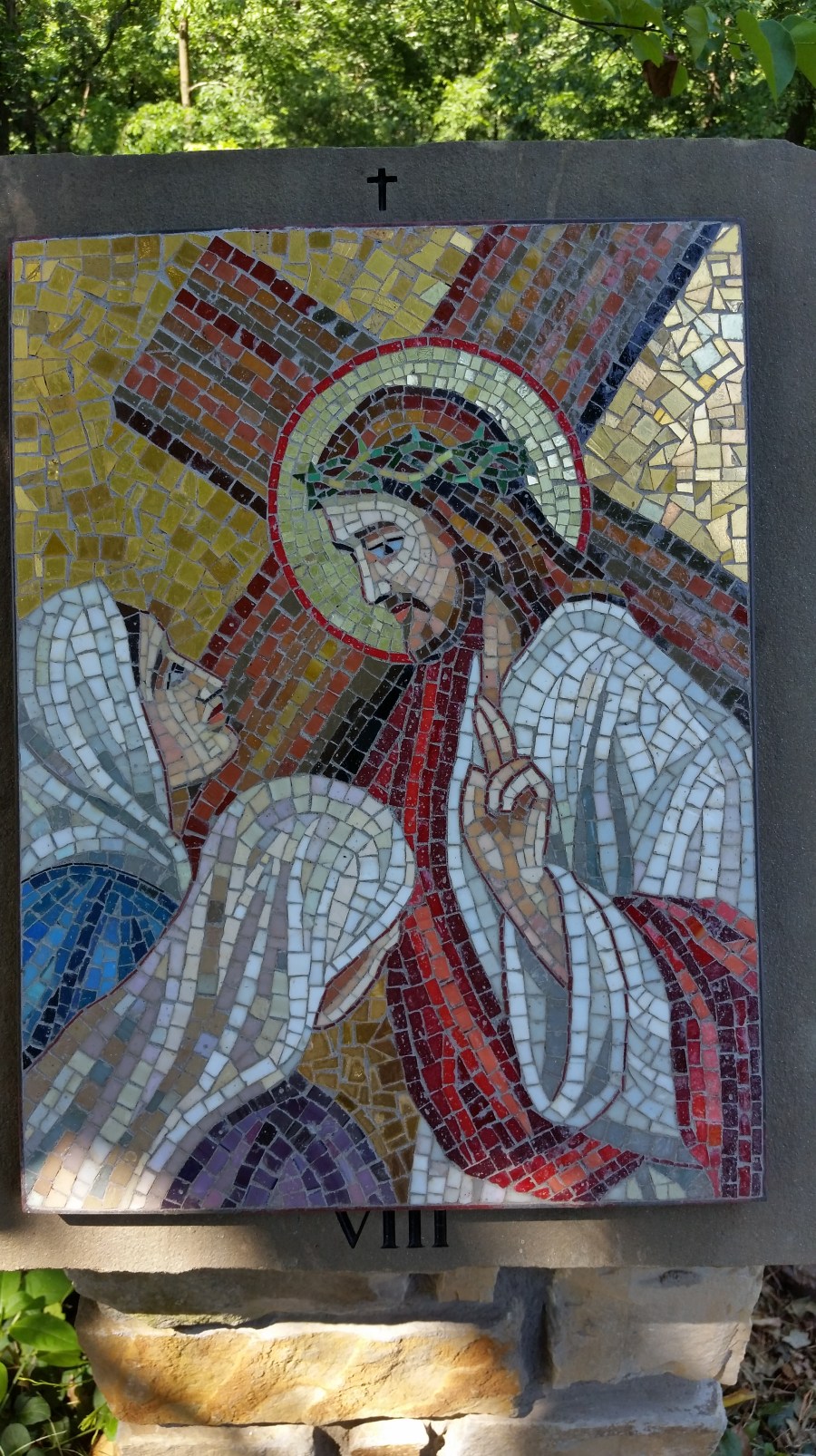
Image: A Station of the Cross on the grounds of Subiaco Abbey in Subiaco, Arkansas visited during a Benedictine Conference.
Featured

A cry before God

This week my 4th Week of Lent journey with a Different Kind of Fast by Christine Valters Painter was to fast from holding it all together and embrace tenderness and vulnerability. I don’t know about you but when you are not feeling 100%, that kind of openness and sensitivity comes even easier. It seemed that no matter where I turned there was a story that resulted in an easy flow of tears. Our practice this week was to resist the demand to keep pushing through when your heart (and in my case this week, also my body) is crying out for a pause.

It seemed this openness attracted even more stories that pulled at my heartstrings and resulted in a pause of compassion and benevolence. A concerning personal update, reasons to stop and assess my all too frequent judgements, a friend’s family member hospitalized and on life support after a fluke accident, prayers for the daughter of a social media friend who became ill while studying in Italy, endless stories of children and families impacted by the war, a cat that was returned to a foster home after the traveling pet owners decided they couldn’t properly care for him (who is expressing his displeasure and fear openly), and another one, locally, who was placed in a shelter due to military relocation. If it wasn’t for the recent death of Bela, I might have considered bringing her home, but tears at PetSmart quickly helped me realize I don’t want to open myself to that kind of attachment again.

Christine Valters Painter shares in our Lenten study, a statement by Orthodox Christian theologian John Chryssavgis: “Tears and weeping indicate a significant frontier in the way of the desert. They bespeak a promise. In fact, they are the only way into the heart.” St. Ignatius of Loyola, Christine states, told us that the tears make us more attentive to the longings of our hearts. In other studies I have learned that St. Monica was known to weep daily for the conversion of her son, St. Augustine. Those tears obviously bore much fruit. St. Catherine of Siena, a personal favorite, was known for her gift of tears that were seen as a sign of her sensitivity and compassion.

I found myself pausing on the verse, as I prayed our Lectio with John 11:32-35, crying with Mary, “Lord, if you had been here, my brother would not have died.” It was a fitting passage for this week because today, the Fifth Sunday of Lent, we heard this gospel of the death and raising of Lazarus. Pope Leo XIV reminded us, today during his Angelus message, that this gospel is an invitation to hear the Lord’s call to new life, reminding us we get lost looking to the world in things that will never bring true happiness, that we are longing, in fact, for the infinite.

After this Angelus message and prayer, Pope Leo once again called for an end to violence, reminding us we cannot remain silent. We cannot ignore, he said, that what is harming those who are impacted by war and violence is harming us all. He urged us to persevere in prayer, reminding us that war is “a scandal to the entire human family and a cry before God.”

It might feel safer to pretend it isn’t happening and imagine that life is just fine, ignoring the news and tragedies occurring in the lives of our brothers and sisters. Or we can risk the compassion of Jesus, weeping at the death of his friend, embracing tenderness and vulnerability for those in need. We share our tears with those shed by others and make a cry before God for peace in our lives, personal and global.

I pray for peace in our hearts and in our world. Deena

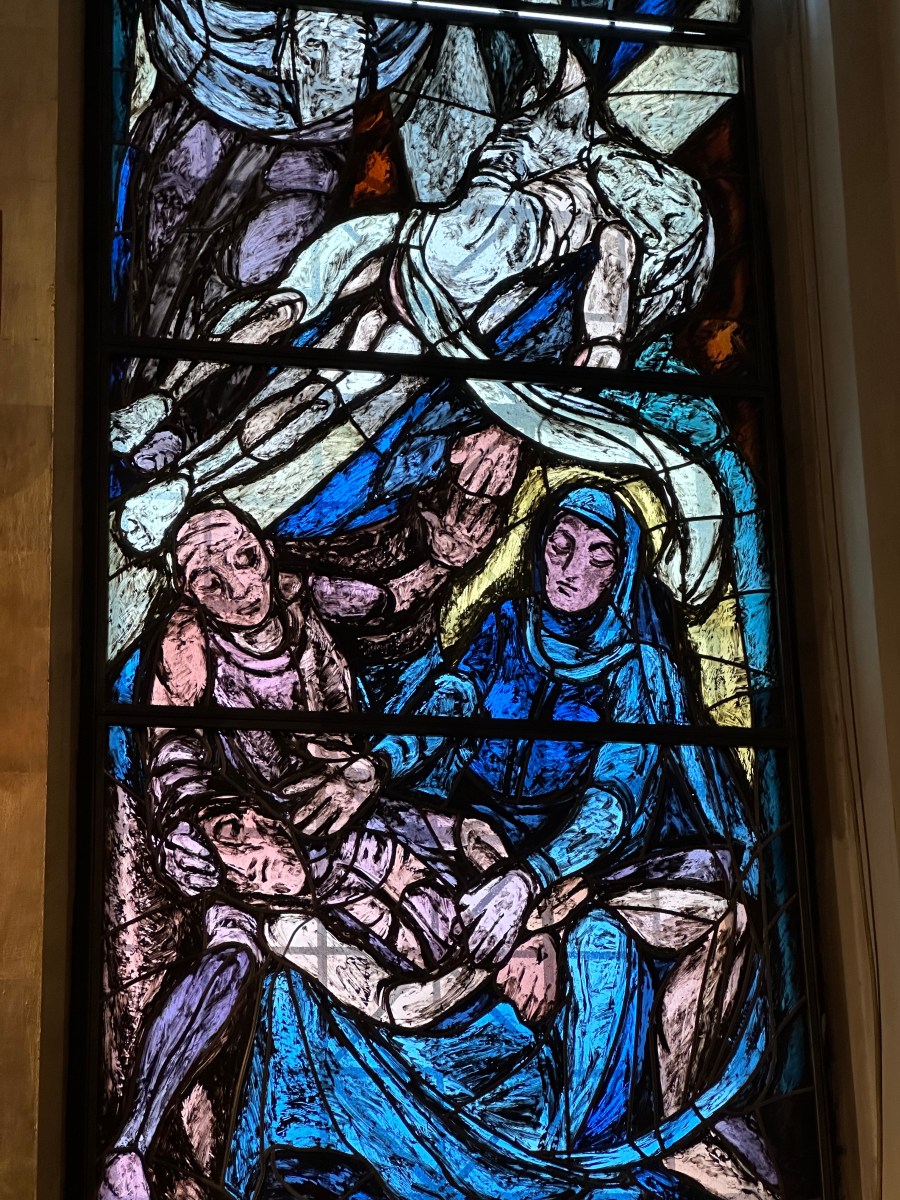
Image: A photo I took of a stained glass window of our Lady with the body of Jesus being removed from the cross, in the chapel above the Holy Stairs, Scala Santa, in Rome. These stairs are believed to be the stairs leading up to the praetorium of Pontius Pilate in Jerusalem that Jesus had to climb several times before his death.

Featured

Go sit in your cell

When asked for a word of wisdom, Abba Moses, one of the early desert fathers, told the seeker “Go sit in your cell, and your cell will teach you everything.” The journey of Lent is one of going within, engaging in disciplines that help us see, hear and respond more freely to the call of the Christ. This week I was called deeper into the desert.

After picking up the remains of my cat, Bela, on Tuesday, I felt a desire, and an inner call, to greater solitude. I needed space to process grief on many levels, not just losing Bela. I picked up some groceries, advised a couple people who needed to know that I wouldn’t be participating in “normal” activities for the remainder of the week. I turned within. I did have some text or phone conversations as needed, did some required social media posts on sites I post for, but spent the week reading, reflecting and journaling. I created a personal and private retreat in my home. Just like entering a silent retreat and questioning whether I would be able to gracefully encounter the time in silence, Wednesday morning I questioned what I was doing, I “should be…” Fortunately those temptations were met quickly and I easily fell in the rhythm of my self-created retreat.

When we set aside time and space for reflection, it’s amazing what shows up. Or perhaps, the quietude invites greater attention to the world as it always is around us, without a blur of motion, internal and external. For most of us the mind is a turbulent ocean, or sea, waves crashing and distracting us all of the time, but when the waves calm down we can see into the depth of the sea more clearly.

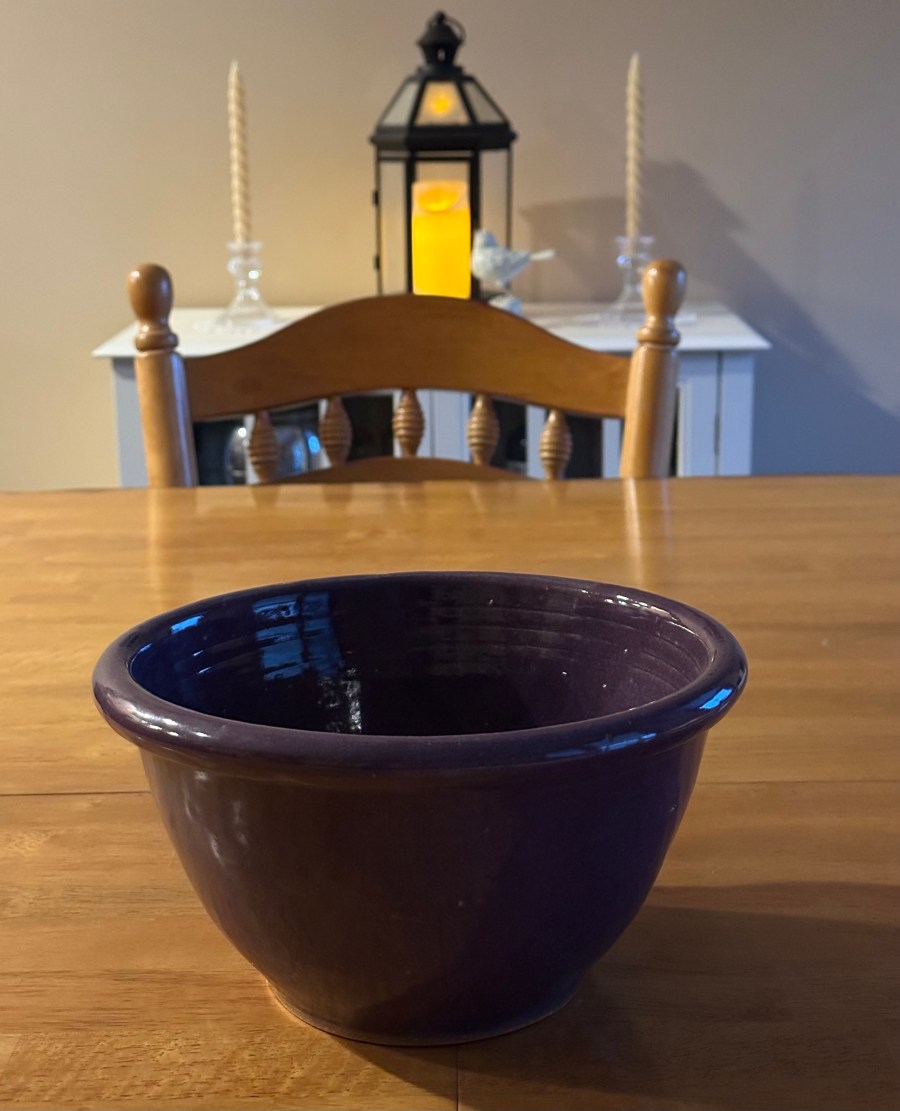
I was invited again this year to imagine receiving an empty clay bowl from Abba Arsenius, another of the early desert fathers, (Retreat: A Different Kind of Lent) as I had been given in the past. In the bowl we can visualize all the activities that fill up the bowl each day, distracting or addictive behavior, and then intentionally empty the bowl to create a spacious place to receive what is more life-giving.

Not everything I read or encountered was spiritual or faith reading. Most was. I also listened to a discussion by an author and life coach, Cheryl Richardson, who I followed more closely several years ago, but have been tuning into more frequently lately. She offered simple self-care wisdom during these challenging times we are experiencing. (These were offered in a quite humorous and sarcastic way, such as eat more sugar, make sure you always have your phone so you don’t miss a social media post, read every comment on them, and of course, stay up late each day!) I felt a longing for activities, or information, like that from my past. Things that were authentically me, things that inspired, shaped and formed me. Somehow they became “less spiritual”, a bogus assessment of where one is capable of experiencing God or Spirit.

I stitched – if you have stitched, crocheted, knitted or maybe even done puzzles or diamond art, you know it can become a method of quieting the mind. A stitch in, and a stitch out, can shape a slow pace for mindful breathing. It can become a way to let go, creating a framework for a quiet pause.

St John of the Cross said, which was often shared and made popular by Trappist monk, Thomas Keating, “Silence is God’s first language. Everything else is a poor translation.” In stillness we can hear what is more essential. Nothing I “heard” or read this week was an earth-shattering revelation, but I was awed, and grateful for, the insights that did form throughout the week. Like the Samaritan woman in today’s Third Sunday of Lent gospel, I have been at the well thirsting for a drink. This week, during my quiet pause, I was given a long, cool, refreshing drink.

It’s not practical for me to be able to retreat completely like that every week but I can certainly create more quiet spaces each day. I also want to continue to assess that my daily activities are done from a place of desire or service, not expectation. If any of this sounds inviting to you, perhaps you can consider some time in your day for a sacred pause to turn within and listen.

Wishing you abundant peace, Deena

Image: my purple bowl, a visual to remind myself to fill it more consciously and lovingly with things that matter.

Featured

A fragrant, pleasing offering

I have seen the cloud of incense, representing our prayers, burn and move in interesting ways around the altar in our church. During the incensation, after exposing the Blessed Sacrament, the incense rises to the great high ceilings, lifting our prayers. Impacted by heat or air conditioning, air coming into the sanctuary from opening doors, etc. it can often create a cloud around the altar and monstrance.

The other night, during Adoration, the incense took on a life of its own, and a symbolism, that was quite moving for me.

The cloud hovered around the altar and the monstrance, creating a thin veil, inviting me to see beyond the physical to the reality of what was present before me. It sanctified the space for the Divine Presence with us. It slowly moved to the ambo, the pulpit, where the Word of God is proclaimed, as if to say, as the apostles heard in today’s Gospel, Listen to him. Then, it turned and drifted to sanctify our presence there. The cloud drifted out toward the pews, at the perfect height of those of us present and kneeling in this sacred space. It moved slowly from the altar, over each of us, as it moved towards the back of the church.

The Jewish Tabernacle, or Mishkan (dwelling place), initially portable, moved to more permanent structures with the building of Jewish synagogues. The scrolls are now housed in the Ark, the Aron Kodesh, while the building itself can be viewed as the Mishkan. In Exodus, the Jewish people were instructed to build an altar of acacia wood in the Mishkan which would create a pleasing altar for the burning of incense. Everything in the Tabernacle, each piece of furniture and the way it was constructed, represented intimacy with God. The altar of incense then represented the prayers of the people rising, in intimacy with and love of God.

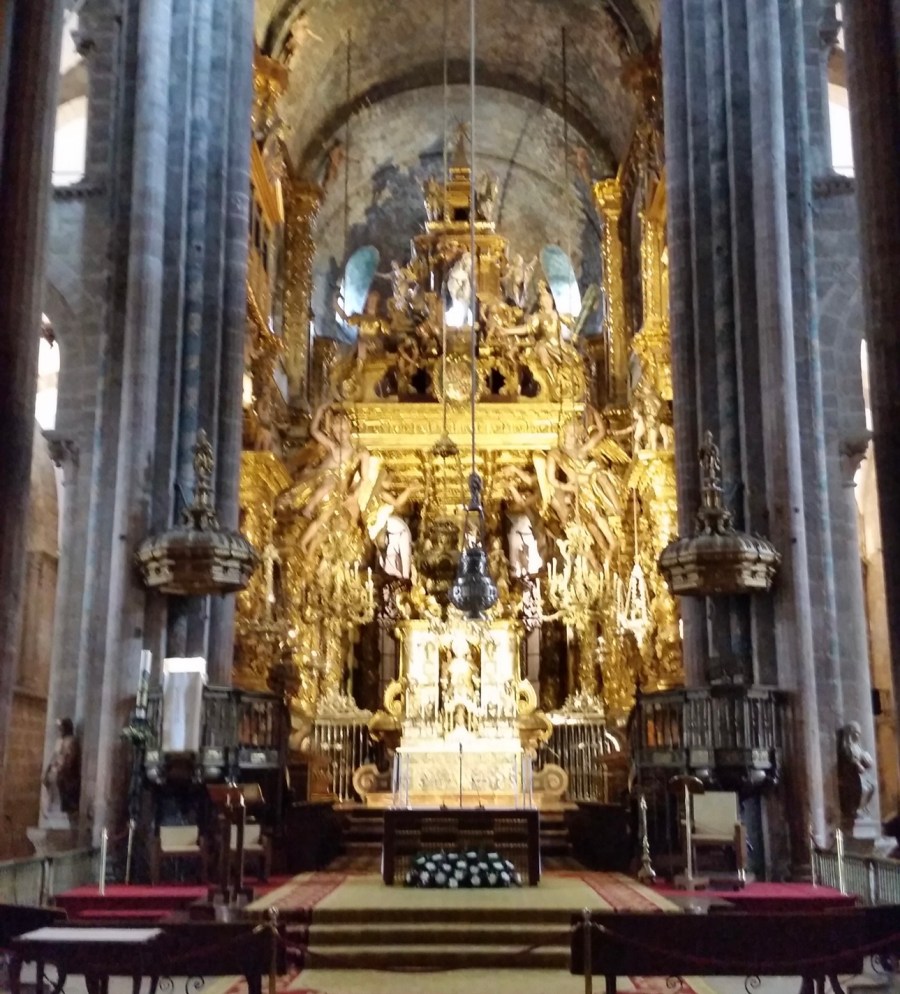
The large thurible, or Botafumeiro, at the Cathedral in Santiago de Compostela was not swung during my visit to Spain but I have seen videos of it during special liturgical feasts. It is swung to purify the air, participants and symbolize the prayers of the people rising to God. If pilgrims happen to arrive to the Cathedral on these special holy days, after walking the Camino, I envision the incense sanctifying their journeys, lifting and receiving all the intimate and personal prayers said during their pilgrimage.

In the book of Revelation we also hear of bowls of incense. The angel was “given much incense to offer with the prayers of all the saints on the golden altar before the throne and the smoke of the incense, with the prayers of the saints, rose before God from the hand of the angel.” It’s a beautiful image to consider the continual burning of incense, representing the prayers of the communion of the saints, small “s”, each person in the eternal presence of God.

As I reflected on the background of incense, and the scriptural references of our prayers like incense, I thought about our Lenten prayers and practices as fragrant and pleasing offerings to God. I pray to become a more pleasing “Mishkan”, a dwelling place, and enter into greater intimacy and union with God.

I pray that your journeys continue to be fruitful and meaningful as we begin this Second Week of Lent. Deena

Image: A picture I took of the great Botafumeiro in the Cathedral in Santiago de Compostela, Spain, visited during my pilgrimage.

Featured

Led into the desert

In life we are led to places we don’t want to go. I have struggled with a thousand questions this week, none of them with life-giving answers that help me in my grief. The desert provides a vast and stark landscape, with few distractions, so we have room for answers to emerge. I am learning that the answers will have to emerge, in their own time, they do not break through as a result of my willing it. Perhaps that is why we are given the symbolic period of 40 days in our own Lenten journeys to mirror the days that Jesus was led into the desert to pray, fast and be tempted. We need time to “rediscover what our hearts truly desire when the distractions fall away” as so beautifully stated in the opening of the Laudato Si’ reflection for the First Sunday of Lent.

What I desired for Lent was to enter a desert time to be free of the distractions that were filling my time with things other than prayer and reflection. Now the distraction of all my questions is consuming my time, impacting the desire for prayer and reflection, even more than going out for coffee would have done.

Given the temptation of changing this situation, just like a rock into a loaf of bread, I would probably say “yes”, change it. I would not be strong enough to resist the temptation. I want Lent to be different than it is.

If you are finding you have a similar mindset as you look at the distractions in your own life – wishing to change circumstances to be a person more centered in prayer and meditation, to be a person of peace and lovingkindness and more compassionate towards others, to want to give more of your time to those in need – you are not alone. I hope for each of us that the desire for these good works is in itself a grace. As also stated in the reflection by Laudato Si’, the distorted desire for the things (my add – of the world, more fleeting in nature) that are pleasing becomes a distraction, they fragment us, not free us.

This weekend in my journaling and reflection I read something written by Rainer Maria Rilke that I am trying to sit with. He invites us to “have patience with everything unresolved” in our hearts and to love the questions. “Don’t search for the answers, which could not be given now, because you would not be able to live them. The point is, to live everything.” I must have hope in that, to live with the questions so that the answers slowly emerge as part of living into them. Just as I have hoped by writing my “peaceful day” statement every day for months is a slow drip of water smoothing the jagged edges of my heart, I have hope in this guidance by Rilke.

Let each day be what it is. Lean into the questions. Hold hope that they are all part of a larger transformation taking place.

Wishing you a week of peace and hope, Deena

Image created in Canva

Featured

Lenten solitude

When I started this post last weekend I had decided that journeying to the desert, both spiritually, and physically was a way to grow closer to God. Spiritually Lent is full of images of the desert and of turning away from the temptations of the world. Physically I had decided to “stay in” during these 40 days, to not spend money on coffee or dinners out, in the hopes to clear more time and space for prayer. Never in my imagination did I think the beginning of Lent would also be an emotional journey of emptiness, exposure and piercing loneliness.

As I said goodbye to my sweet boy, Bela, yesterday, I have been in a place where the sun is scorching and there is no protection from the winds of grief as they stir up minute upon minute. There is no cover and no place to hide. The ashes this morning certainly had a different symbolism and reminder of how fleeting life can be. For some, the (almost) 18 years I have cared for Bela may not seem fleeting. For others, the grief may not be understandable for “just a pet”. But from the first moment Bela chose me and this home, he has been so much more. But that may be a story for a different day, when I can find the joy in telling it.

Preparing for Lent initially, I reflected on the Covid pandemic and how sheltering in place was like a journey to the desert. We had to leave behind our routines and stay home. We ordered judiciously, or ventured out rarely, to prevent unnecessary trips to the store or for delivery people. I helped set up our online parish evening litanies and live-streamed Masses. I attended other virtual retreats and prayer events. It became a time, for me, full of the richest spiritual blessings and graces, at a time of so much pain and fear for others. I was not blind to the difficulties for others, but as an introvert (yes, really!) I relished staying home and participating in virtual events. I had the cats for company. I had more time to contemplate life and my faith and I treasured the depth of experience that I was having.

Like the Desert Fathers and Mothers who opted out of normal activities and retreated outwardly to the desert so that they could retreat inwardly toward God, I desire the same kind of solitude during these 40 days of Lent. It’s not a complete withdrawal because I can and will attend Masses, Stations of the Cross, as well as other Lenten prayer and scripture groups in person. I will be facilitating a Lenten group discussion as we read and pray with Crux, by Ascension Press (see note below). But, what began as a desire to be more intentional in that quiet time changed dramatically yesterday. It is a different quiet time that I am receiving than what I desired. What remains though, is time for personal prayer and reflection, a space to lean into scripture searching for words of comfort, and to practice mindful breathing and being present to each moment, even if that moment is filled with grief and a call to surrender to the crashing waves of those feelings.

If you choose to be intentional about the experience of Lent, I would ask what one thing you would like to retreat from during these 40 days? Would it be possible to do that, by carving out the space for more personal time for prayer and reflection? How might you change Lent from simply focusing on the discipline of “giving something up” to a change in your relationship with the distractions of world? I would love to hear from you and how it goes for you during Lent.

Also, a word of thanks to all of you who took the time to reach out via text or to comment on my post about Bela this morning. I haven’t been able to read them yet, but just seeing the updates has brought comfort. I think I will be able to read them tomorrow, until then, I am so grateful!

Wishing you a holy Lent with time to be open and receptive to the voice of the Spirit, Deena

As a note, Crux is available on the Ascension Press app with a discounted rate of $4.99 for 90 days of access. There are daily videos with Fr. Columba Jordan, Lenten challenges, prayers and reflections.

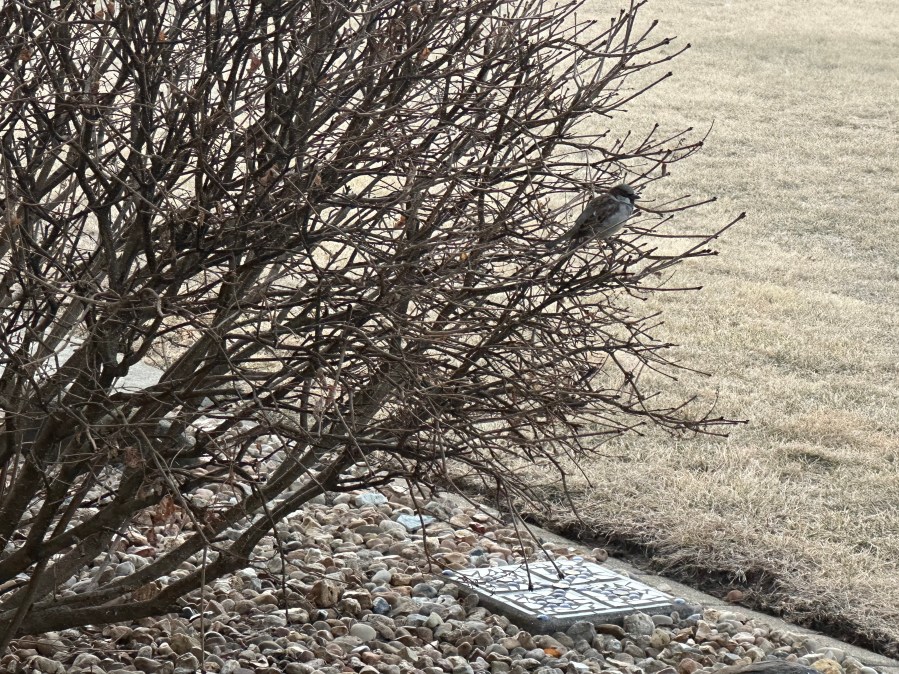
Image: a bird that Bela and I were watching from the window on Saturday. He seemed so peaceful by himself, a fitting image for my Lenten journey.

Featured

A pause, with love

I was preparing my post, focused on Lent today, and the day has required a different focus. My oldest cat, Bela, is not well today. It seems it may be getting closer to his transition. So my attention is on him and not writing. I am quiet and attentive, as I hope I will be this Lent. Since Lent begins Weds., with Ash Wednesday, I will finish my post and publish at that time.

I am so grateful to Kate Brown (Kate Brown Healing Essentials), taking time during her Sunday rest, for her Healing Touch for Animals work on him today. He is more relaxed and attempting to rest in the sunshine.

I wish you peace and love on this lovely Sunday. I hope it’s as beautiful where you are as it is in Illinois today.

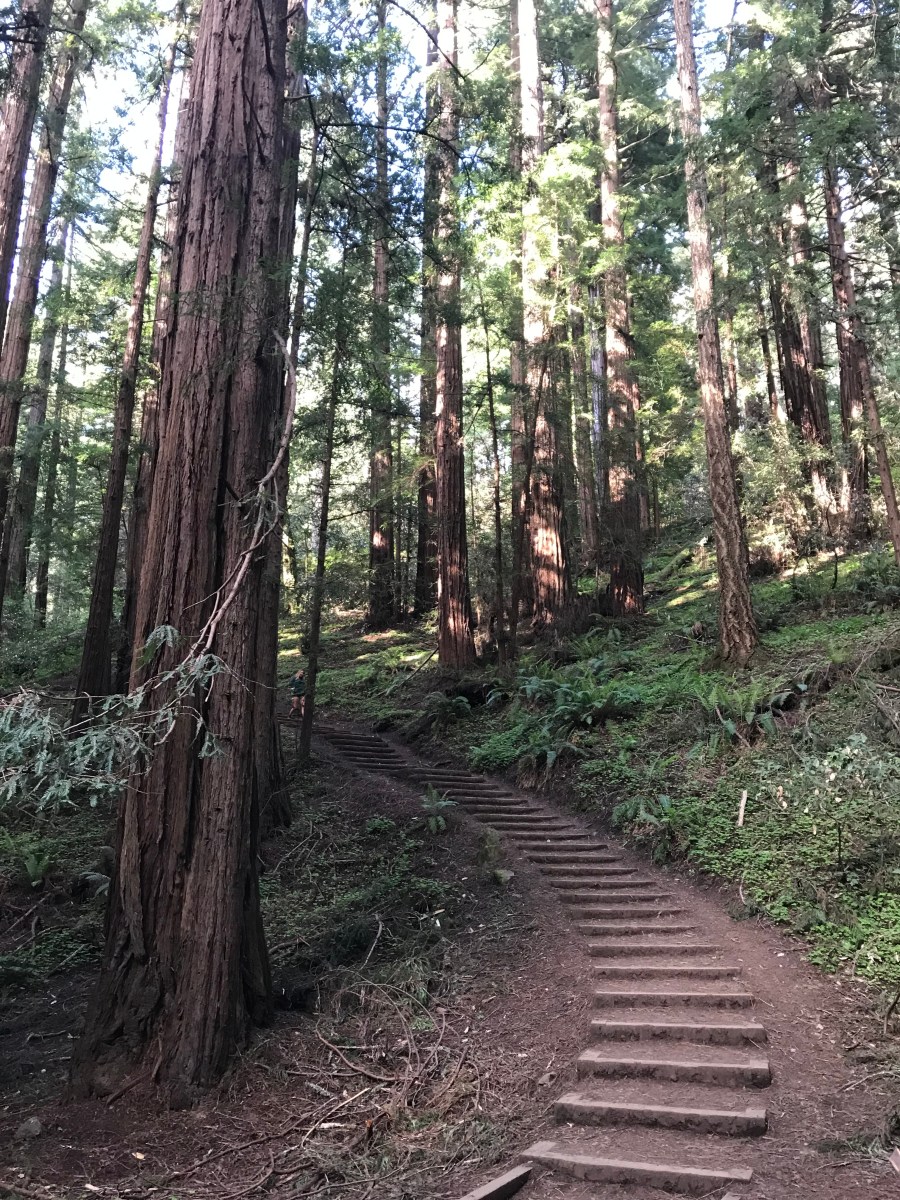
Photo taken during a visit to Muir Woods in California

Featured

The journey of peace

In today’s Gospel from Matthew (Matthew 5: 1-12a), Jesus gathers his apostles, and the growing crowd of disciples and followers, and shares the familiar Beatitudes with them – these words shared are a radical blueprint for the heart for those of us searching for answers. Although I’ve heard these verses many times, they spoke to me with a new weight this year. Ever since the Vigil Mass on Saturday, words like ‘peacemakers,’ ‘persecuted for righteousness,’ and ‘hunger and thirst’ have been nudging me to spend more time with them. What am I being called to do? How might I move beyond hearing the words and make them become a part of my life? What is my role to help embody the words at a time when our world needs more light and peace? I don’t have the answers, so I have gathered a few favorite quotes from many that I respect and turn to for wisdom, with a prayer that they might help me understand the words Jesus is calling us to live. I also share a personal example at the end of how we are invited to reflect on our own journeys.

As a Benedictine Oblate, I begin with St. Benedict and the peace he advocates in our daily living of The Rule, from the Prologue: “Let peace be your quest and aim.”

Pope Leo XIV, yesterday in his address to participants at the “Political Innovation Hackathon: One Humanity, One Planet” Conference, said “there can be no peace while humanity wages war against itself—by discarding the weak, excluding the poor, and remaining indifferent to refugees and the oppressed.” He said “Only those who care for the least among us are capable of accomplishing what is truly great.” He urged the young people to seek peace always.

Dorothy Day: “If peace is to be built, it must start with the individual. It is built brick by brick.”

St. Mother Theresa: “If we have no peace, it is because we have forgotten that we belong to each other.”

Anthony deMello: “Peace is not the absence of conflict, it is the ability to handle conflict by peaceful means.”

Thomas Merton: “We are not at peace with others because we are not at peace with ourselves, and we are not at peace with ourselves because we are not at peace with God.”

Thich Nhat Hahn: “Peace in every step.”

Lastly, I share the personal experience from my reflection during Adoration this past Wednesday on the Buddhist monks walking for peace. I prayed to let their walk continue to plant seeds of peace in my heart. That they might encourage me to spread a message of peace in my own way. I contemplated the number of people they are influencing by their walk and their daily messages. I continue to write in my journal each morning, “Today is going to be my peaceful day.” I paused and thought about others, like the Peace Pilgrim, who have journeyed for peace. Then God reminded me he has a sense of humor and is listening to all these silent prayers and yearnings.

I reached down and picked up my copy of the new book, Encounter Grace: Moments of Hope, Joy and Peace, by mentor and friend, Becky Eldredge. I opened and turned to pages 36 and 37 and read the two reflections “A Call” and “Healing Power”. In “A Call”, Becky wrote that we are invited to pray for the grace of getting to know Jesus more intimately as we journey through the Spiritual Exercises of St. Ignatius of Loyola. “It means not only hearing the call to follow Jesus but also to WALK with him and be there working with him.” Then in “Healing Power”, Becky reflected on the ways that Jesus healed others and the impact it had on her. She invites us to consider that it is through our connection with Jesus in our “inner chapel” that “his power moves from him to us.” When we do that, we “encounter Jesus the same way Jesus encountered people tangibly when he was WALKING around the earth.” (Using caps for both quotes here is my emphasis.) I laughed out loud, quietly because I was in Adoration, but I thanked God for reminding me of Jesus’ constant effort to be and share peace. I can turn to scripture just as easily as I can turn to YouTube to see where the monks are walking today.

So today, in whatever way is most helpful for you, consider how you are and might be sharing a message of peace to those around you. We all need it so desperately.

Wishing you abundant peace this week, Deena

Image: A photo of a banner at Subiaco Abbey in Subiaco, Arkansas taken during an Oblate conference.

Featured

Make me an instrument of your peace

It’s hard to find words. But I have one, Enough! I saw a post this morning that calmly pleaded, if you have a platform use it. Mine is a small platform but I want to share my prayers and hopes.

I pray for peace. I pray for the people of Minnesota and an elimination of the fear and injustice they are experiencing. I pray for children, like 12 year old Max with a soccer medal around his neck, crying to his mother that another boy told him he was going to be arrested, because they look different even if they were born in the US (and I share Max’ tearful sentiment, “it’s just not nice”). I pray for other states that are beginning to experience the same insane use of discrimination. I pray for our country and a restoration of the values we have held dear for so long. I pray for the honest police, military and elected officials who desire to uphold the laws of our country. I pray for leaders, religious and civil, to step up and do what is right. I pray for a restoration of respect between other countries and the United States. I pray for each of us as we struggle to find a balance between staying informed, knowing what and when to speak up, and still maintain respect, peace and hope in our hearts and minds and with each other.

Please know that this is no longer, if it ever was, about legal deportations. We’ve had those conducted by past administrations and not heard about them. Why? Because each person was given due process. This is also not about legit law enforcement and military doing their jobs. I watched law enforcement calmly arrest clergy and interfaith leaders who were protesting at the Minneapolis-St. Paul airport on Friday. I did not see guns drawn, pepper spray or harassment. This is about unlawful and unjust discrimination and bigotry. It has to stop.

So, today, I turn to one of my favorite prayers, attributed to St. Francis of Assisi. I pray it so that the words make a home in my heart and mind so that then I can, in turn, sow love, pardon, faith, hope, light and joy in my small way.

Lord, make me an instrument of your peace:
where there is hatred, let me sow love;
where there is injury, pardon;
where there is doubt, faith;
where there is despair, hope;
where there is darkness, light;
where there is sadness, joy. 

O divine Master, grant that I may not so much seek
to be consoled as to console,
to be understood as to understand,
to be loved as to love.
For it is in giving that we receive, 
it is in pardoning that we are pardoned, 
and it is in dying that we are born to eternal life.
Amen.

Please dear God, hear our prayers.

I wish you abundant peace, hope and calm this week. Deena

Image: art of St. Francis taken during my pilgrimage to Assisi.

Featured

In the beginning

The Center for Action and Contemplation in New Mexico, published a series this past week on Creation. Each week, Fr. Richard Rohr’s (Franciscan priest and founder of CAC) writings, as well as those of other writers, poets and theologians, are shared in a daily blog. Each day, this week, has challenged me to reflect on creation as an ongoing act of God’s love. Recent events have weighed heavily on some of us. Yet, in the midst of turmoil, there have also been moments of great peace and tranquility, solidarity and hope. Those stories might be harder to find, but they are there.

If you read the Bible, especially the early stories in Genesis, it’s a mess! Lies, deception, betrayal, thousands of Israelites defeated in battle, and exile. We know these stories were passed down to preserve an ancient heritage and the wisdom gleaned through that history. These words carry a truth that despite all of the sin and error committed by our early families in faith, an ultimate truth remains. As Fr. Richard wrote, this story shared through generations “is saying that everything is grace, everything is gift, everything comes from God. God is the one who makes something out of nothing and gives it to us, not only then, but now. God created both the natural universe and our own human nature, and all of it is good. All of it is to be enjoyed, if we can receive it as a gift.”

Brian McLaren’s article in the series invited us to remember that all of creation is good and that in that creation, all matter and each person, are part of the story and are different branches on the tree of life. Later in the week, theologian Elizabeth Johnson shared a more poetic perspective, that existence itself is an ongoing act of God’s love, and that “without the ongoing creative power of God at every moment, all would collapse into … an unimaginable no-thing.” She stated the “Creator gives with great affection; creatures receive. Nothing in the great world would exist but for this constant relationship.”

We are rereading the newer (2010) translation of Sr. Joan Chittister’s commentary on The Rule of St. Benedict in our monthly Oblate gatherings. Sr Joan, in the section on the Prologue of The Rule, which has guided monastics for well over 1,500 years, proposes that in “failing to respond to God everywhere God is around us, we may lose the power of God that is in us.” We have all been failed by the things of this world, the people in our lives, leaders both personal, local and national, security in our work and our homes, things that will not ultimately satisfy us. God is the only “lifeline” when nothing else fulfills and satisfies, and when the world feels to be imploding, it is comforting to remember the source of all goodness continues to create out of love for us.

I do not suggest that a solution is ignorance of current events. I am inspired by those who choose to more actively represent, and speak out for, the just and equitable principles that our country was founded and has been guided by. But when I feel myself reacting with rage and condemnation, I remember the words I reflect on each morning and evening, from the venerable monks walking for peace, unless we have peace in our hearts, we will never have peace in the world. So I pause, mindful of the present moment, and turn inward. I reflect on the warmth of the sun through the window, the tea in my mug, and I send a silent prayer, a prayer for peace in my being and a peaceful solution to what is happening in our country.

I can’t think of a better way to pray for and reflect on the drastic change needed in our country today, than on the eve of Martin Luther King Jr. Day, to share one of his most famous quotes, “Darkness cannot drive out darkness, only light can do that.”

May we be light. May we embody peace. May we be a seed in the ongoing act of creation. May we be a source of inspiration to those seeking answers in a world that will never provide them at the deepest level. Amen.

Wishing you abundant peace and hope this week, Deena

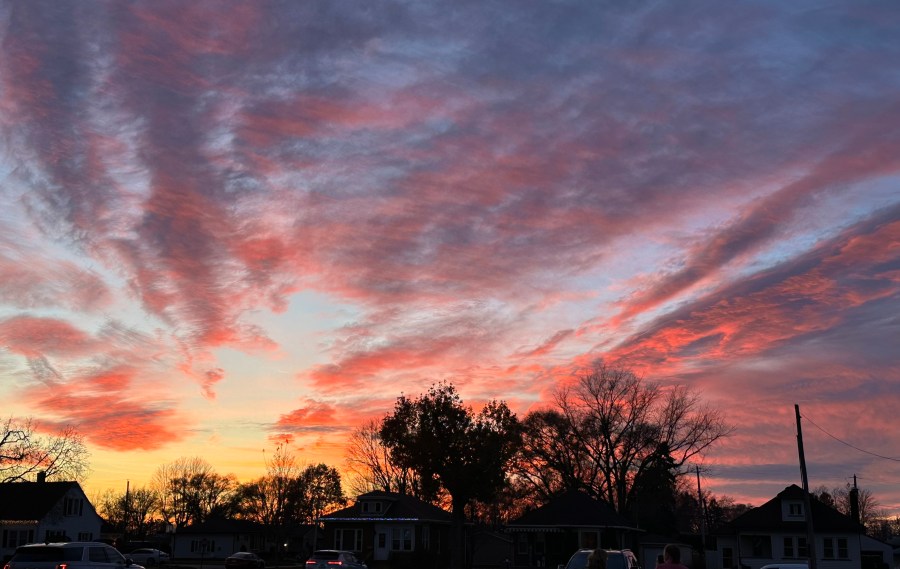
Photo: A recent sunset, a visible sign of the glory of creation.