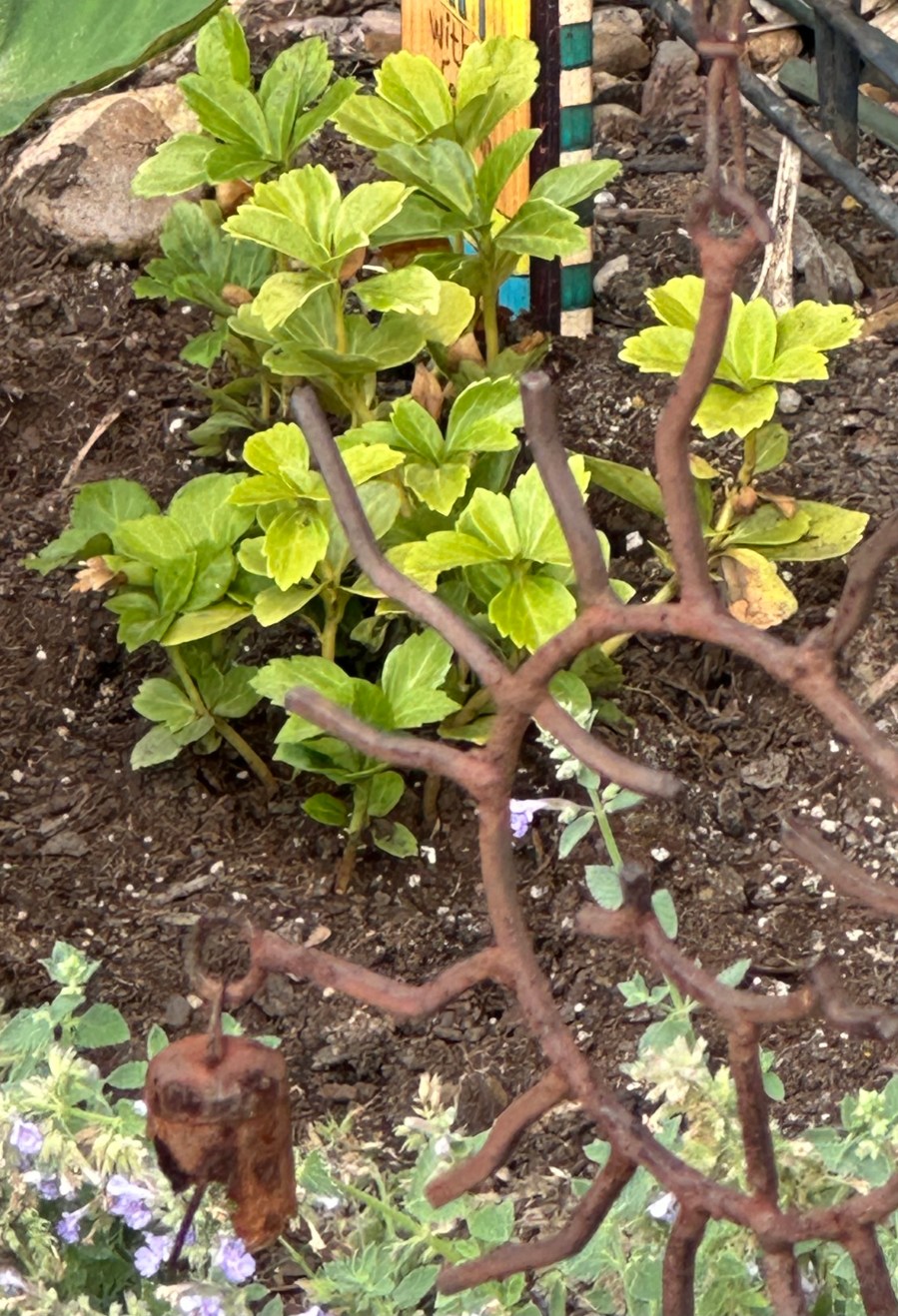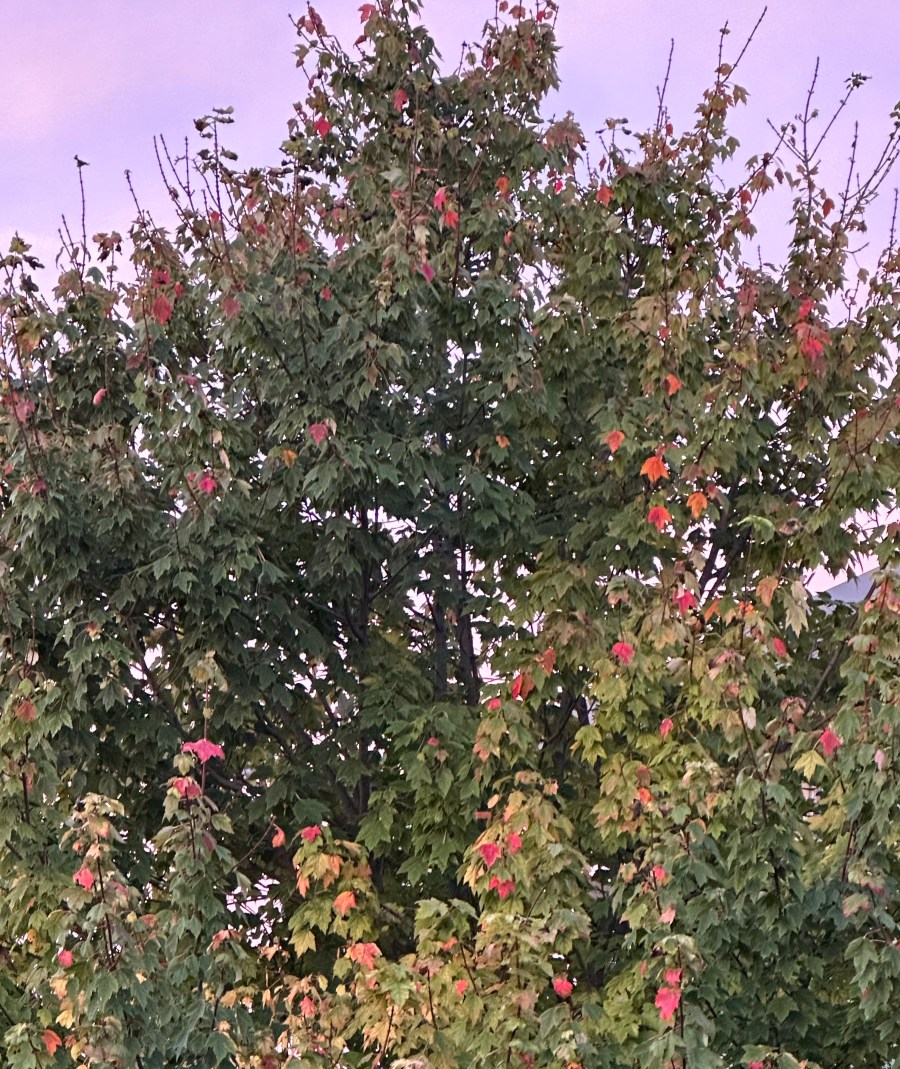
I was taking a picture of the sunrise this morning and turned to notice that the leaves on the tree in the backyard were beginning to change. The days have been cooler, the morning and nights magnificent, so the changes into Fall are beginning to take place. The purple flowers on my Ruellia Brittoniana (Purple Showers) have been decreasing in number each day. But the mum is beginning to open and show its color. I leave the windows open longer in the morning and open them back up again for most of the evening. Pretty soon our Illinois Valley will be aglow with vibrant oranges, reds and yellow leaves.
I have been tackling a large project in the house, projects I have put off a long time. Earlier this week I couldn’t even breathe as I began to think of the enormity of the task. It would literally take my breath away, paralyzing me instead of motivating me into action. I told myself to begin with one small task. That moved to another. Pretty soon I felt like I was making progress. Cleaning and getting rid of items is a big enough challenge but when there are emotions tied to them, it can become oppressive.
This week we celebrated the Beatification of Blessed Archbishop Fulton J. Sheen in our Peoria Diocese. The pre-Mass talks were excellent and some quite moving for me. The Mass was amazing! Growing up watching Blessed Sheen on TV, and then more recently with talk of his beatification in our Diocese, and path to sainthood, I am very familiar with stories of Sheen’s life. I have visited and prayed at his tomb, since it came to St. Mary’s Cathedral, many times. The events leading up to this week certainly renewed an understanding of the faith life of this holy man. Fulton Sheen has often said that his knowledge and insight can be attributed to his prayer life. He prayed a Holy Hour, in front of the Blessed Sacrament, every day.
To see so many faithful people attending the events in Peoria and St. Louis has been spirit-reviving. But it has also been a bit overwhelming, just like my household project. I desire to live a more faithful, and prayer-filled, life than I already do. It feels like there is such a huge gap between what I desire and the way I live my faith life.
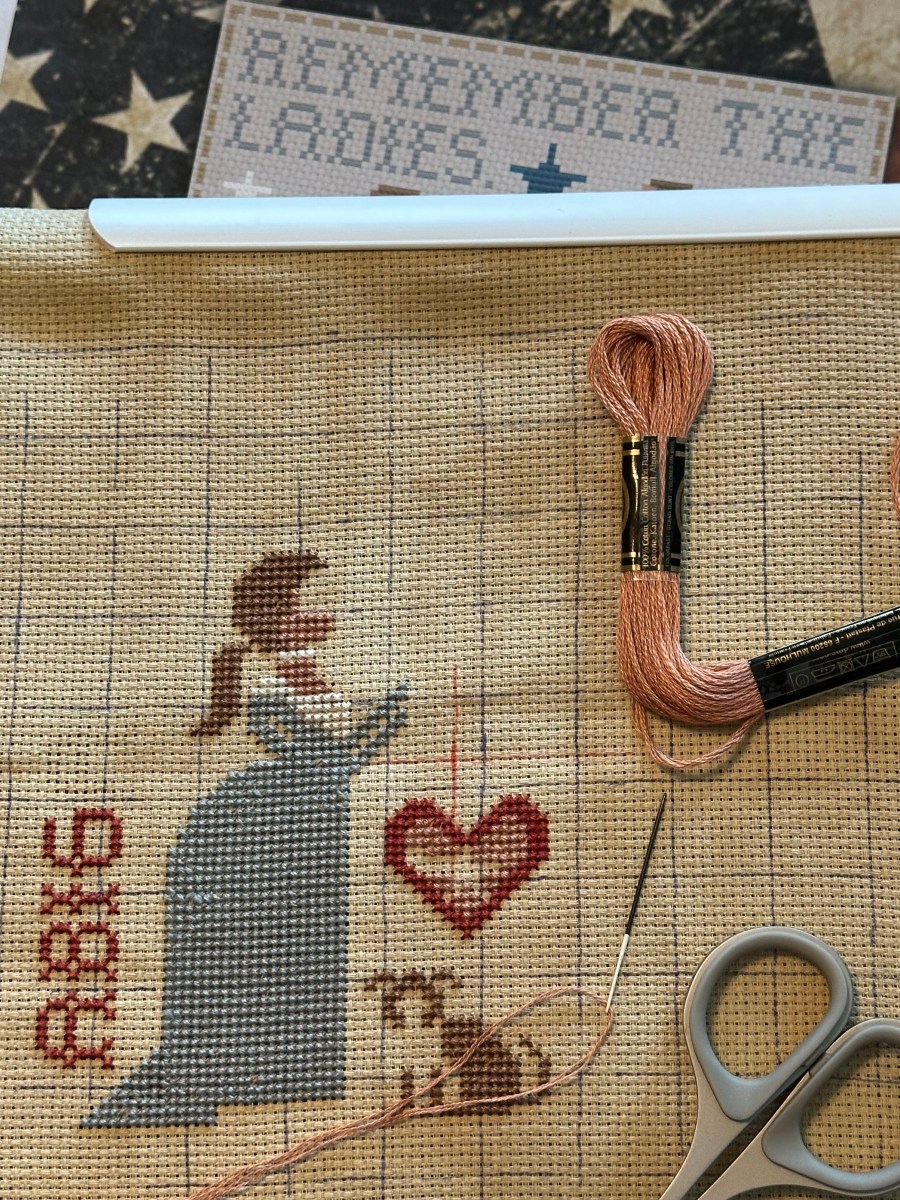
As I have been writing this, Stephanie at Lindy Stitches, the host of the virtual stitching retreat I am attending, read an essay she wrote, during our virtual coffee hour. She affirmed the topic of this blog for me! Talk about synchronicity! Here are a few tidbits. I hope she shares it in a PDF for us. If so, I will share.
“…Good things take time. Really big things like Douglas Firs take decades to grow… Lovely things take time, they don’t happen overnight, you can’t pay for them to hurry up. Slow things made with intention are valuable things… Cross Stitch is being productive in a way that is slow, but man, that way is slow! … I don’t have to be productive all the time, that’s not the way I want to live anyway… What’s the point of all the time saving devices, just to work more? … Real beauty requires a human mind, a human hand and a human’s precious time.”
AMEN to all of that.
Just as the season are changing slowly and we relish it, this post is a reminder to myself, to go slow and have faith that the changes are happening, albeit slower than I prefer. I hope this reminder speaks to you too.
Wishing you abundant peace this week, Deena
Today’s image – my tree in the backyard this morning.